
Try a 2-5-6 Carb Plan for Weight Loss

This is a plan I am using right now to get my carbohydrate intake back on track, shrink my stomach and eventually lose some winter weight gain from my waistline. Even though I did exercise most of the winter I also managed to eat more than I burned off and now need to get back in shape.

Here are some quick tips if you want to try this plan for yourself.

• 2-5-6 means that you eat 2 carbohydrate choices – 5 times a day – 6 days a week. This will keep your daily carb total at 10 carb servings which are not extremely restrictive but with moderate activity should help get weight loss going. This plan is not going to be a magic answer for everyone but it is a low carb intake that should work for most women whose activity is light to moderate. If you need more for breakfast do 3 carb choices and then 1 for a snack instead of 2 choices.

• What is a carb choice?
Starches: 1 carb choice equals any of the following: ½ cup potatoes, corn, green peas, casserole, pasta salad, 1 thin crust slice of pizza, 1/3 cup cooked pasta or rice.
Sweets: Examples of 1 carb choice = 1 snack size candy bar, ½ cup ice cream, 2 Oreo size cookies, or a 2 inch by 2 inch brownie square unfrosted.
Milk includes only milk and yogurt.
Fruit: 1 cup melon, ½ cup canned fruit, 1 small to medium apple or orange, ½ banana, ½ cup juice.

Foods that are NOT carb foods are meats, vegetables and fats/oils. This includes fish, cheese, peanut butter and cottage cheese.

To figure carbs from packages look at the Serving Size and Total Carbohydrate amount. Every 15 grams = 1 carb serving.

For example 1 cup Cheerios has about 26 grams total carbohydrate. That counts as almost 2 choices. If you have 8 oz milk that is another 12 grams so 26 +12 = 38 or about 2.5 carb choices. (38 divided by 15)

• 7th day can be a free day if you want or you can give yourself an extra 3-4 carb choices that day. Try not to go over 15 choices total even if it is a free day.

• Sample Day
Breakfast: 2 whole grain toast with peanut butter, coffee black, and water
Snack: Small to medium piece of fruit or 1 cup berries or melon
Lunch: Salad greens with sunflower seeds, cheese, strawberry or mandarin orange slices, croutons and salad dressing.
Dinner: Lean meat, broccoli and 1 cup roasted potatoes
Snack: Tea and 1-2 carbs of chocolate

• Note how hungry you feel between meals. You should start to get hungry between meals and snacks and remember that feeling means it is working! Eating 5 times a day allows you to eat frequently enough to not get too hungry but the small amounts will help shrink your stomach so that you will get full sooner when you do eat.

• Don’t forget the activity. Try to stay active with exercise, yard or house work or taking walks.

Sign up for my free newsletter and check out the May Diet Makeover Deal!

To Your Best Health,
Karen

Controlling Diabetes is Like Taking a Road Trip

You Need to Map Your Destination

When you take a road trip you need to figure out the best way to get there right? I was going to say you need to get out the map but now we just pull out our GPS and let it guide the way. Too bad managing diabetes and weight control is not that easy!

Knowing your targets for blood sugar control is like knowing your destination for a trip. The road we travel to get to that destination may be paved with a food plan, exercise plan and maybe medication.

So once you know where you are going and you have planned your route you are ready to hit the road! Sounds easy enough right? Have you ever had directions that seemed easy but for some reason you keep going in circles and can never get there? You look at the map or plug your directions into your GPS but it takes you to a completely different place. How does that happen? In my experience it is usually because one part of the address is typed in wrong.

Trying to keep up with healthy eating and exercise for weight and diabetes control is a lot like that. You know where you are trying to end up but you seem to keep going in circles.

Have you heard the quote “Insanity is doing the same thing over and over again and expecting different results.”? If you think about it that is what we often do with our diet and exercise habits. We keep buying the same food or doing the same routine and we think magically the outcome should be different. So what is the answer?
CHANGE! Change your routine. Change the way you eat. Change the way you exercise. Change whatever it takes to get on the right road that will take you to your destination.

You Will Run in to Road Blocks

A favorite saying in my state of Minnesota is that we have two seasons . . . winter and road construction. So if you are taking a trip in Minnesota there is a good chance you might run into detours or bad roads depending on the season.

You might run into road blocks when trying to changing your diet or exercise habits also. Family commitments, finances, job stress, illness are all common road blocks to making lifestyle changes. Don’t give up. That is simply life happening. Figure out a way to get around the road blocks or take an alternate route. Get support from a group, other family members, friends, or hire a diabetes coach.

I recently ran into a road block with my 5K training . . . my own motivation. I lost interest when I got up to running 20-25 minutes on the treadmill and soon I just quit. At first I felt like a failure but then I realized that I was still motivated to exercise but just not THAT type of exercise. All I had to do was revise my exercise routine to be interval training with a variety of different types of exercise instead and now I am back on track.

Rumble Strips Help Keep You on the Right Path

You may or may not be familiar with rumble strips but I am talking about those bumpy strips they put on the edge of the road to keep you from going off the road or on the yellow center line to keep you from hitting oncoming vehicles. If you are about to drive into danger they definitely wake you up.

Too bad we don’t have something like the speed bumps or the rumble strips at stop signs that would get our attention when we are about to eat too much!

What are the rumble strips of diabetes? What is it that lets you know when you are going the wrong direction and diabetes is getting out of control?

Doctor visits, daily blood sugar checks, calorie counts, carbohydrate counts, food records, clothes getting tighter all can be rumble strips that keep us from getting too far off course.

Are You Ready for a Diabetes Road Trip?

Decide on your destination. Map your route. Find ways to get around the roadblocks. Use your rumble strips to keep you on track.

Reach your destination!

Make sure you are signed up for my newsletter so you can receive ongoing tips on diabetes as well as updates and discounts on programs!

To Your Best Health,

Karen

What You Don’t Know About Diabetes CAN Hurt You

I often hear people refer to Type 1 Diabetes as “the really bad diabetes” because people have to take insulin with type 1 diabetes. However, did you know that with Type 2 diabetes blood sugars start to go higher than normal up to 10 years before you are diagnosed?

This means that for up to 10 years blood sugars higher than normal can start to do damage to the body and by the time someone is diagnosed they can already have permanent damage to nerves and blood vessels. So the reality is that one type of diabetes is not worse than the other but rather the key to avoiding debilitating effects of diabetes is to stay in control no matter what type you have.

With Type 2 diabetes the earlier you catch it the easier it is to control and reverse. Since most people do not have any symptoms, even when blood sugars are in 200s, the only way to know if it is high is to do the blood testing.

I challenge you to change the way you think about diabetes and change the way you take care of your health.

Know Your Risk: Take the ADA Risk Test
Risk Factors include inactivity, extra body weight particularly around the waistline, family history of diabetes or personal history of gestational diabetes, and high blood pressure.

If you want to stay off diabetes medication you need to catch diabetes early – not wait until it takes control of your life.

Know Your Numbers: Don’t depend on your doctor or clinic to keep track for you.
Do you really expect one doctor to keep track of hundreds of patients? Even with electronic medical records your elevated blood sugar level may get overlooked. Ultimately it is your responsibility to take care of your diabetes. Know your A1c, and if you have diabetes get a monitor and learn what the numbers mean. Always get a copy of your lab results and keep it in a file.

Know the Symptoms: Remember that by the time you feel symptoms blood sugars have usually been high for a while.
Blurry vision, thirst, frequent urination, hunger, numbness or tingling in hands or toes, fatigue, or sores that don’t heal can all be symptoms of high blood sugars. If you have any of these symptoms see your doctor.

Know the Power of Nutrition: Don’t underestimate how what you eat and how much you eat affects your blood sugar.
Nutrition therapy is EXTREMELY underutilized in getting you well and keeping you well.

If you catch diabetes early nutrition can keep you off medication in 2 ways: weight loss and healing nutrients. See a registered dietitian to get recommendations on food changes you could make. Learn how to shop, cook and eat healthier.

Know Your Medications: Ask your doctor, pharmacist or diabetes educator about the medications you are on.
Keep a list of your medications with you. Learn what each medication is for, what the side effects are and potential interactions with foods, other medications or alcohol.

This is a lot like knowing your numbers. Take time to look over your medications with your pharmacist or doctor. Tell them if you are having trouble with cost, side effects or symptoms you think might be related to a medication.

Know the Power of Muscles: Move More!
Do you know what insulin resistance is? That is the biggest problem with Type 2 diabetes. Your body is making insulin but not using it very well. Guess what moving your muscles does? Exercise is your medicine for insulin resistance. Move Your Muscles More!

Know Yourself
I have listed a lot of things you should know but this one is very important. Be realistic about what you can accomplish. You can’t change eating and exercise habits overnight. Get a team of experts on your side so you can go to them with questions. Know when you need help and support and don’t be afraid to ask family or friends for support.

If you would like more information on any of these topics about diabetes sign up to receive my free newsletter twice monthly and check out diabetes services offered here
http://kmnutrition.com/services

To Your Best Health,
Karen

The Inflammation-Diabetes Connection

What is Inflammation?

Inflammation is the body’s reaction to infection or injury. Classic signs of inflammation are redness, swelling and pain. Living in Minnesota the example I think of is a mosquito bite, where you feel very little pain but you get the annoying redness, swelling and itching. That’s an obvious inflammatory reaction that is temporary.

Ever had a sinus infection? If you go to the doctor you will be diagnosed with sinusitis. Any medical diagnosis that ends with “itis” means inflammation. So sinusitis simply means inflammation of the sinuses.

What does inflammation have to do with diabetes?

Diabetes and many chronic health problems are a condition of inflammation, but the scary part is that the inflammation is hidden, as Dr Mark Hyman describes it. This hidden inflammation can start way before you know you have diabetes. You feel no pain until it has caused complications that sometimes are not reversible.

Inflammation leads to insulin resistance, meaning your body needs to produce more insulin to keep blood sugars normal. At the point where your body can no longer keep up, blood sugars start to run higher than normal more often. Eventually you may feel symptoms but many do not feel any different until blood sugars are in the 300s . . . 3 times the normal level.

What Causes Inflammation in our body?

There are many things that can cause the hidden inflammation. Our environment, stress, inactivity, food allergies or sensitivities, other health conditions and . . . my reason for this article . . . our diet. Our fast-paced modern world means we are exposed to more harmful chemicals, we have more stress, we sit too much at a desk or in front of a screen, and we eat far too many processed foods.

How Can You Reduce Your Level of Inflammation?

Start De-processing your diet. That means eat less packaged foods and more whole fruits, vegetables and whole grains. It means less eating out and more cooking at home. Sounds simple but it’s not. Changing the way we eat takes time, planning and learning new ways of cooking and trying new foods.

Where do I Start?

Consider these 3 changes in your diet to start anti-inflammatory eating.

1. Start deprocessing your diet.

Think about what you can do to make your meals and snack choices less processed and more fresh foods. For example, if you are eating canned soups then start making your own in larger batches and freeze small in containers for quick meals. If you buy cookies, start making homemade instead. Set a rule for how many times a week you can eat out and start cooking more meals at home. These are just a few suggestions to get you started.

2. Eat more anti-inflammatory foods.

Your best source is fish such as salmon or tuna or other foods high in omega-3 such as flax meal. Other anti-inflammatory foods include whole grains, fresh fruits and veggies, and nuts.

3. Eat more fiber.

Again, whole grains, fruits, veggies and nuts are your best choices. Instead of cold cereal, pasta or instant rice, try some less processed grains such as steel cut oats, barley, or brown rice. Don’t forget to also drink more water as you increase fiber.

If you haven’t already, be sure to sign up for my free newsletter to receive ideas every month on foods that will help you fight inflammation and diabetes . . . . plus you will receive the free report “10 Strategies to Control Carb Cravings” which is available at http://kmnutrition.com.

To Your Best Health,
Karen

7 Starter Tips for Newly Diagnosed Diabetes

Hearing that you have diabetes is a very emotional experience and many questions go through your mind. When I was told I had gestational diabetes 14 years ago I’m pretty sure I went home and cried, feeling the “why me”? reaction. Well all those emotions are perfectly normal and you really just need to let yourself go through them.

At the same time getting some direction on what to eat is very helpful. You will probably get advice from everyone around you but if you want some professional advice to get you started, here are some tips:

1. Until your blood sugars are in control try to completely cut out the sweetened beverages, including soda pop, juice, punch, sweetened teas, etc. Water and other unsweetened drinks are your best choice. Milk does have some natural sugar also but you don’t need to cut that out. Just keep your serving to an 8oz glass 2-3 times/day.

2. Eat 3 meals a day. They don’t need to be big meals but your body will do better if you eat regularly.

3. Trim down the super-sized meals, especially the starches. Often our evening meal is our biggest of the day. If you tend to have large portions of bread, pasta, rice, potatoes, corn or other starches try to cut those down to smaller portions. It’s not necessary to completely cut them out, but if you feel you are overeating just cut them in half.

4. Try more non-carb snacks when you get hungry. Some choices are nuts, raw veggies with dip, string cheese, hard boiled egg, beef jerky.

5. For sweets craving go ahead and have a little of what you are craving. Just try to keep it to a small portion such as a couple small cookies or snack size candy bar. You can try some sugar free jello or fruit to satisfy the sweet craving also.

6. Keep moving. You may not feel like exercising but try to walk or do activities that keep you moving unless your doctor has given you activity restrictions. If you have type 2 diabetes and your body is able to use its own insulin then moving the arm and leg muscles can help lower the blood sugar.

7. Make sure you connect with a dietitian or diabetes educator to help you learn how to manage your diabetes. After meeting with a dietitian most people are relieved to find out they don’t have to give up their favorite foods. Getting the knowledge, tools and ongoing support is key to not letting diabetes take over your life!

Book Review: The Blood Sugar Solution by Mark Hyman, MD

Over the past couple weeks I had an opportunity to read The Blood Sugar Solution, a great new book that has a wealth of information about how we can beat diabetes. To help spread the word about this book I have agreed to share my review.

Here are just a few of my favorite highlights:

We need to start making changes for the sake of our kids and grandkids. The book begins by discussing the hidden epidemic of diabetes and obesity and how 1 out of 3 of today’s children will have diabetes at some point in their life. This is something I can relate to because my children are in that risk category. Diabetes is common for 3 out of their 4 grandparents’ families, I had gestational diabetes and now have prediabetes; my dad and sister have type 2 diabetes and another sister has prediabetes.

But what Dr. Hyman points out is that much of the diabetes and obesity is related to our lifestyle and environment and even if you have diabetes in your family genetic history, getting the right nutrition can still prevent those genes from being expressed. This is Nutrigenomics, and he defines it as “how food talks to your genes”. In other words, if we get enough of the right power nutrients our body can fight disease on its own. In fact Nutrition is the first step in his 7 step program to take on diabetes.

Dr. Hyman talks about functional medicine, which looks at healing the body by treating the underlying problems and not just treating the symptoms, like too many of the medications are doing. He is taking a holistic approach to looking at what can cause diabetes and weight problems, including how we breathe, our sleep, stress and so much more.

The Blood Sugar Solutions also does a great job of explaining insulin resistance and inflammation, two underlying problems with type 2 diabetes. Included in the book are quizzes you can take to assess your own situation. He also gives you suggestions for natural alternatives to medications.

We all know how expensive medications are and how our health care costs are going up each year. If you are concerned and find yourself complaining about these costs I urge you to take a look at his ideas and start to make small changes in your life to be healthier and be a part of the solution.

Many of the nutrition suggestions he makes are strategies I try to incorporate into my lifestyle and help others accomplish but I can tell you 3 things that the book has inspired me to do for my own diabetes prevention: belly breathing, yoga, and putting more plants in my house. These are just a few of the many great recommendations for specific changes you can make to fight diabetes.

Lastly, my only skepticism about the book is that it may be difficult for many to follow the food plan. However, don’t get discouraged. Just start with whatever you feel you can accomplish and take it in small steps if necessary.

If you get a chance to read the book and you want to work towards some of the changes recommended to reverse diabetes in your life, feel free to contact me to talk about my nutrition and diabetes coaching services for extra support.

How to Reverse Diabetes during Your Workday

Do any of these sound familiar?

Are you so rushed in the morning that you don’t take time to have breakfast?

Are there sweets and treats brought in several days that tempt you?

Is the stress of your job making you want to eat to feel better when you get home?

Are you so busy that you can’t or don’t take time for lunch?

Do you go out to restaurants for lunch most days?

What changes can you make?

1. Take time to grab breakfast. If you’re not hungry drink a small smoothie or juice. If you can’t take time to sit down and eat, grab a granola or breakfast bar or fruit on the way out the door. Try to choose something with a few grams of fiber for the benefit of hunger control and blood sugar stability.
2. Create a wellness contest at work to make everyone want to practice healthier habits. Instead of allowing donut trays and sweets to sit around the office, suggest that only fruits and veggies be brought in and designate days for sweets such as Fridays only. Start a walking program and get pedometers for a 10,000 steps club.
3. Limit the frequency of eating out for lunch to once a week as well. Brown bag it the rest of the week by planning ahead on the weekends and picking up sandwich foods, healthy frozen dinners, salads, pita pockets, fruits, and veggies. Or take leftovers to work. If you don’t have time for lunch at least take a snack break. You will be more productive if you get a break and have some energy and nutrition.
4. Have healthy snacks available at work and plan a morning and afternoon snack if you need them. The afternoon snack especially can help keep you from overeating in the evening. Great choices include fruits, veggies, yogurt, granola, string cheese, nuts, or even a little dark chocolate if you crave something sweet.
5. Find ways to manage stress during your work day such as deep breathing, walk breaks, or at least make sure you take a few minutes to distress once you get home, even if it means listening to your favorite music while you prepare dinner.
6. Plan no-cook evening meals for those days when you work later and know you won’t have time to cook. Make a couple large batches of entrees on the weekend and then plan a salad, sandwich or pizza night to save you from having to cook several nights of the week.
7. Replace soda, even diet, with water. Flavor your water with lemon or frozen berries to make your own naturally flavored water.

Now, these ideas will all work but what’s the one key to putting them into action to reverse diabetes?

PLANNING

The #1 thing you will need to do is sit down one day each week and plan your meals. If we don’t plan ahead and have the right foods on hand we just grab what’s available, which usually is not the healthy choice.

Start your plan today, take control of your health, and start to feel the benefits of reversing diabetes!

3 Questions for Faster Food Label Reading

Do you get completely confused about what to look at on the food label?
Well considering the large number of products today, so much information on the packages and the confusing news reports, how could you NOT be confused? Hopefully the answers to these 3 questions will help you save some time and confusion when food shopping.
What would your answers be to these 3 questions?
1. What’s the one place on the Nutrition Facts box you should always check?
2. What information do most people never read that can really tell you how healthy the food is?
3. What is YOUR most important nutrient to look at for YOUR health concerns?

You might hear different answers to these questions but here are my recommendations:
1. Always check the serving size. Why?Because all of the nutrition information in the Nutrition Facts is based on that serving size. So if you eat 3 of those servings you need to triple the calories, carbs, etc.
2. Most people never look at the ingredient list. Why should you? Well if you want to know if there are a lot of mystery ingredients are in the food or if it actually is as healthy as it claims that is an important place to look. As you may know the largest amount ingredients list first and then go in order from most to least. If you want to whole grains you need to make sure “whole” is actually in the ingredients. Why would you want the whole grain? You get more nutrition and fiber. I try and choose foods with minimal ingredients when possible, especially minimal additives, preservatives and dyes.
3. Do you look at everything on the label? Do you look at calories, carbs, fat and sodium? To save time and confusion I recommend you focus on 1 or 2 nutrients. Here are some guidelines:
• If you are concerned about blood sugars focus on Total Carbohydrates.
• If you are trying to lose weight focus on calories and/or carbohydrates.
• If you have high LDL cholesterol you want saturated fat to be lower and fiber higher.
• If you have been told to avoid salt then look at the sodium.

I have a few basic guidelines I use in my food shopping. You may find them helpful.
• To fight diabetes and other chronic disease, cutting down on processed foods and gradually replacing them with more whole foods can really help reduce inflammation. You also won’t need to take time to read labels on unpackaged foods!
• What about sugars? I have not found it helpful to look at the sugars listing under the Total Carbohydrates since they are already counted in the Total Carbohydrates.
• What about sugar alcohols and artificial sweeteners? Sugar alcohols are ingredients like sorbitol, xylitol and maltitol. The body cannot absorb much of those, so you can subtract half that number from the total carbohydrate. My advice however is to keep intake of sugar alcohols and artificial sweeteners to a minimum. Eating too much of a food containing sugar alcohols may can have a laxative effect and some are sensitive to artificial sweeteners and get body aches and headaches. For more information on food additive guidelines check out Center for Science in the Public Interest.


Blood Sugar Monitoring for Type 2 Diabetes: How to Use Your Results

Having to take time out of your day to check blood sugars can be a hassle. Sometimes your fingers get sore and strips can get costly.

So why do you do it?

If you are checking your blood sugars ONLY because your doctor told you to then you are wasting a lot of time, money and hassle. Your doctor certainly needs to look at those results but if you check daily and only see your doctor every 3-6 months, then only the most recent few weeks before your appointment are usually relevant.

How can YOU use your results to better manage diabetes?

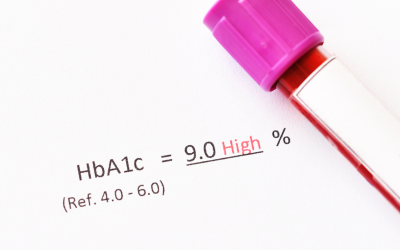
The first step is to know your A1c. That’s the lab test your doctor does that tells what your average blood sugar has been for the past 2-3 months.

Know what your goal is and where you are with respect to that goal.

For example if your A1c is 7.2 and your goal is to be <7 then you know that overall your blood sugars are running higher than you want.  But when are the high blood sugars happening? Knowing when to check is the next step.

With Type 2 diabetes or prediabetes there are 2 best times of day to check blood sugars to gather information:

  1. Fasting Blood Sugar in the morning before having anything except water.
  2. 2 hours after the start of meals.

Fasting Blood Sugar

Normal fasting blood sugar is 70-100. Your diabetes goal should be somewhere in the 70-120 range depending on the goals you and your doctor have discussed. Fasting blood sugars are usually elevated due to insulin resistance, meaning that your body has insulin but it does not use it effectively. During the night we are very inactive, we may not sleep well, we might have pain, or hormones such as with menopause could be affecting blood sugars. All of these conditions require the body to use more insulin and with diabetes it does not work as well as it should and we end up with higher morning blood sugars.

If your A1c is in target but your morning blood sugars are >120 then it is likely just a brief early morning rise in blood sugars that are occurring and may not be a concern.

After Meal Blood Sugars

We all struggle with portion control right?   Checking 2 hours after a meal will tell you how well your body is clearing the sugar from your blood stream. Your goal is to be less than 180, or even better less than 160. Normal blood sugar is less than 140 by 2 hours after a meal.

If your blood sugar 2 hours after eating is higher than your target, look at the size of the meal you ate or how many servings of carbohydrate you had. Then compare that to a smaller amount at other meals and eventually you find what works best to keep your blood sugars in control.

Are there any other times to check?

If you feel shaky or weak you should check for low blood sugar.  Below 70 is lower than normal but you can feel low at higher levels if your body is not adjusted to lower levels yet. You can also see the effects of illness, exercise, hormones, stress and other life factors on your blood sugars also but it’s much easier to identify patterns when you have an experienced diabetes educator to work with.

Bring results to your doctor visit.  

Check for 2 weeks before your doctor visit and take your results with you and show your doctor. Make sure you have the numbers in a log book unless you know your doctor can download your meter results to a computer. Keeping notes on food, activity, pain, illness or anything else you suspect is affecting your blood sugar will help you and your doctor have a more effective conversation at your visit. Your doctor may also suggest other times to check depending on what medication you take.

What about the cost of strips?

Many of the meter companies now have savings cards that bring the copay down to $15. Call the toll free number on the back of your meter and ask if they have one.  Insurance may limit the number of strips they will pay for so make the most of your results by choosing the best times to check and using your results to make necessary changes in meals or exercise.

What if my meter is not working?

Call the toll free number on the back of your meter if you are having trouble with the meter working and their customer service can help. Your diabetes educator or doctor may also be able to help you resolve problems.

Diabetes and Acid Reflux

If you have diabetes and acid reflux, also called GERD, and you take medication to reduce acid there are some things you should know.

  1. There are health risks to taking GERD medications long term
  2. There is a good possibility you could control GERD with the right food and nutrition changes

Did you know acid reflux medications could cause the following problems?

  1. Magnesium Deficiency

There is also a strong association between low magnesium and insulin resistance, the main problem of type 2 diabetes. The FDA earlier this year released information about how taking these medications for longer than a year can cause low magnesium, which can lead to leg spasms, heart arrhythmias and seizures.

  1. Pneumonia

If you have diabetes and get pneumonia it may be more severe with greater risk of complications, and your body may take longer to heal.

  1. C-diff

Short for Clostridium Difficile, this is bacteria that cause severe diarrhea and inflammation in the colon. Dehydration is the biggest risk with diarrhea and diabetes, and if you have high blood sugars you can become dehydrated much quicker.

  1. Osteoporosis or Bone Fractures

People with diabetes are may also have low vitamin D levels or be taking Actos, both of which may increase the risk of bone fractures.

  1. Vitamin Deficiencies such as B12

People with diabetes who take metformin are also at risk for low B12 levels.

  1. Bacterial Imbalance leading to Digestive Problems

People who have had diabetes for many years can have slow digestion due to nerve damage. Keeping a healthy balance of intestinal bacteria is important for immune system, absorbing nutrients and avoiding diarrhea and constipation.

What you can do if you have to take medication for acid reflux.

Eat healthy foods and whole foods for immune strength. Nuts are the best food source for magnesium.

Eat yogurt daily to replenish good bacteria or take a probiotic supplement.

Ask your doctor if B12 and D levels have been checked.

Ask your doctor about trying to get off the acid reflux medications. These medications are really only meant to be taken for a short time of a few weeks but most people just stay on them.  I would NOT recommend going off the medication until you have made nutrition changes and are discussing changes with your doctor.

GERD may be unrelated to acid in stomach.  Some evidence suggests that the heartburn symptoms of reflux are not caused by acid in stomach burning the esophagus, but rather by an immune response.

LEAP is a program that has helped many people get off acid reflux medications. Learn more about how a food sensitivity blood test can identify specific foods that are causing you pain and inflammation, and help you make diet changes that eliminate acid reflux problems naturally.  Contact Karen for more information.